

treatment of spondylodiscitis
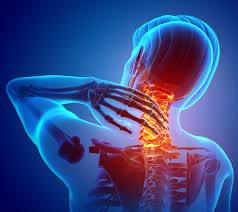
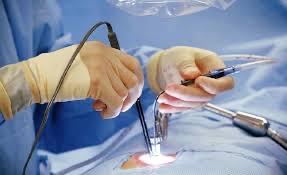
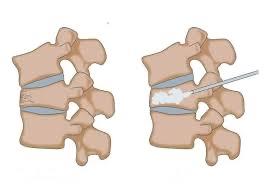
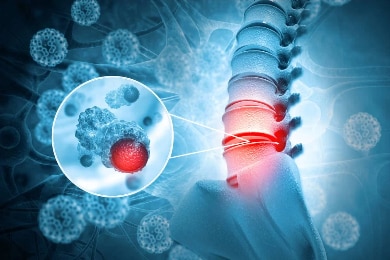
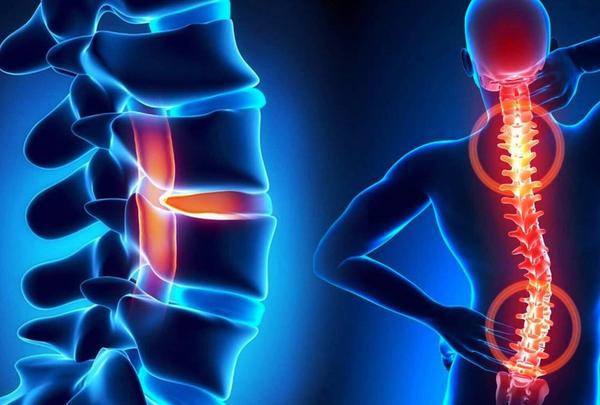
Spondylodiscitis spinal infection is an infection of the spine that starts in the disks and spreads through the endplates to the other vertebrae. The pathogens causing it are called staphylococci. Spinal infections are caused by different pathogens that may be bacterial, fungal, or parasitic. Comprehensively, spondylodiscitis spinal infection is a term referred to as vertebral osteomyelitis, spondylitis, and discitis.Spondylodiscitis also leads to other complications, such as osteomyelitis. Although it is a rare spinal infection condition, it is a serious condition with high morbidity and mortality rates. Therefore, it is essential to seek early spondylodiscitis spinal infection treatment in Delhi from an orthopedic to contain its spread. You can seek help from our well-renowned spondylodiscitis surgeon in Delhi.What Causes Spondylodiscitis?As we’ve already talked about, spondylodiscitis is caused by a number of pathogens, such as bacteria and fungi. Staphylococci and Mycobacterium tuberculosis are the main causative organisms. The lumbar spine has more chances of infection than the thoracic spine. Spondylodiscitis occurs in about 2-5% of osteomyelitis patients, and the prevalence increases with age.Another common form of spondylodiscitis is tuberculous spondylodiscitis, caused by mycobacterium tuberculosis.What Are The Symptoms of Spondylodiscitis?The common symptoms caused by spondylodiscitis include:Cervical lesionSpinal tendernessRestricted range of motionsParavertebral muscle spasmLimbs weakness to bear weightEpidural abscess formationWeight loss leading to spine erosionLimping posturesPain in movements such as crawl, sit or walkAbdominal or hip painIncontinence of bladder and bowelsLumbar lordosis and restricted lower back movementBack or neck painConstant pain, worsening at nightRadicular pain, radiating to chest or abdomen as wellFeverOther indications of spinal deformities, kyphosis, and Gibbs formationNeurological deficits: such as leg weakness, sensory deficit, paralysis, radiculopathy, and sphincter lossWho is at a Higher Risk of Developing This Condition?Some risk factors that can make someone prone to this condition are as follows:Cardiovascular diseases or prevalence of high blood pressureObesityDrug abuseRegular steroid intakeAlcohol and nicotine abuseHIV infectionCatheter-associated infections or surgical interventions increase spondylolisthesis.Multiple morbiditiesTraumas or accidents requiring surgical interventionsChemotherapy or immunotherapyCancerBone TBRenal failureLiver failure: chronic hepatitis or liver cirrhosisRheumatic diseasesDiagnosis, And Management For Spondylodiscitis Spinal Infection Treatment in DelhiOur orthopedic doctor in Delhi starts with the diagnosis. The doctor asks the patient about their medical history, symptoms, and comorbidities. After this, the doctor prescribes multiple diagnostic tests to confirm the disease. The diagnosis includes:Conventional X-raysCT scansMRIBlood cultureCobb Angle test The doctor prescribes other tests also to determine the disease and percentage of infection.Leukocyte countC-reactive protein testPCR Method Bony Fusion RateBony Fusion Rate- To know where spinal fusion surgery would be feasibleBased on the above reports, the orthopedic doctor in Delhi plans the spondylodiscitis spinal infection treatment in Delhi.TreatmentsConservative treatmentsThe conservative treatment for spondylodiscitis spinal infection treatment in Delhi is based on antibiotics and immobilization. It is recommended either when the risk is low to mild or when the patient is not fit for the surgery. The braces are given for immobilization effects and allow bones to strengthen during treatment. However, prolonged bed-rest immobilization is discontinued for the treatment as it imposes some bad i. Therefore, the children should be recommended only conservative treatments.The conservative treatment should last for 6–8 weeks, and if the patient’s condition doesn’t get better, our orthopedic doctor in Delhi suggests trying something else.Physical TherapyPhysical therapy for spondylodiscitis spinal infection treatment in Delhi helps in the nascent or early stages of spondylolisthesis. A certain set of exercises (involving specific muscle movements) specially designed by a physiotherapist is included with good dietary supplements. The exercises are meant to strengthen the trunk, limbs, and lower back so that the muscles around them don’t have to work as hard. The doctor will also recommend wearing a corset for 6–10 weeks to gain enough spine stability.A disease’s early prognosis is very helpful for getting better with physical therapy or other conservative treatments.SurgeryThe surgery for spondylodiscitis spinal infection treatment in Delhi is recommended in The following cases:The severity of disease leading to infections in multiple spine chordsKyphosis due to infectionThe disease does not respond to conservative methods or require surgery in future stages.The disease was leading to other degenerative or spine disorders.Our spine specialist and orthopedic doctor in Delhi performs surgical debridement and fixation procedures such as spinal fusion to eliminate the infectious part of the spine and join or stabilize the spine sections into one unit.Why Choose Dr. Amit Chugh For Spondylodiscitis Spinal Infection Treatment in Delhi?Spondylodiscitis is a rare infection with high morbidities and mortality rates. Therefore our orthopedic doctor in Delhi emphasizes only an early prognosis for help. Dr. Amit Chugh, is a highly qualified and experienced spine specialist and pays detailed attention to the nuances of cases. He prescribes a detailed diagnosis to confirm the spine or orthopedic disorder and designs spondylodiscitis spinal infection treatment in Delhi logically. So, for accurate, remedy-oriented treatment, choose Dr. Amit Chugh
READ MORE